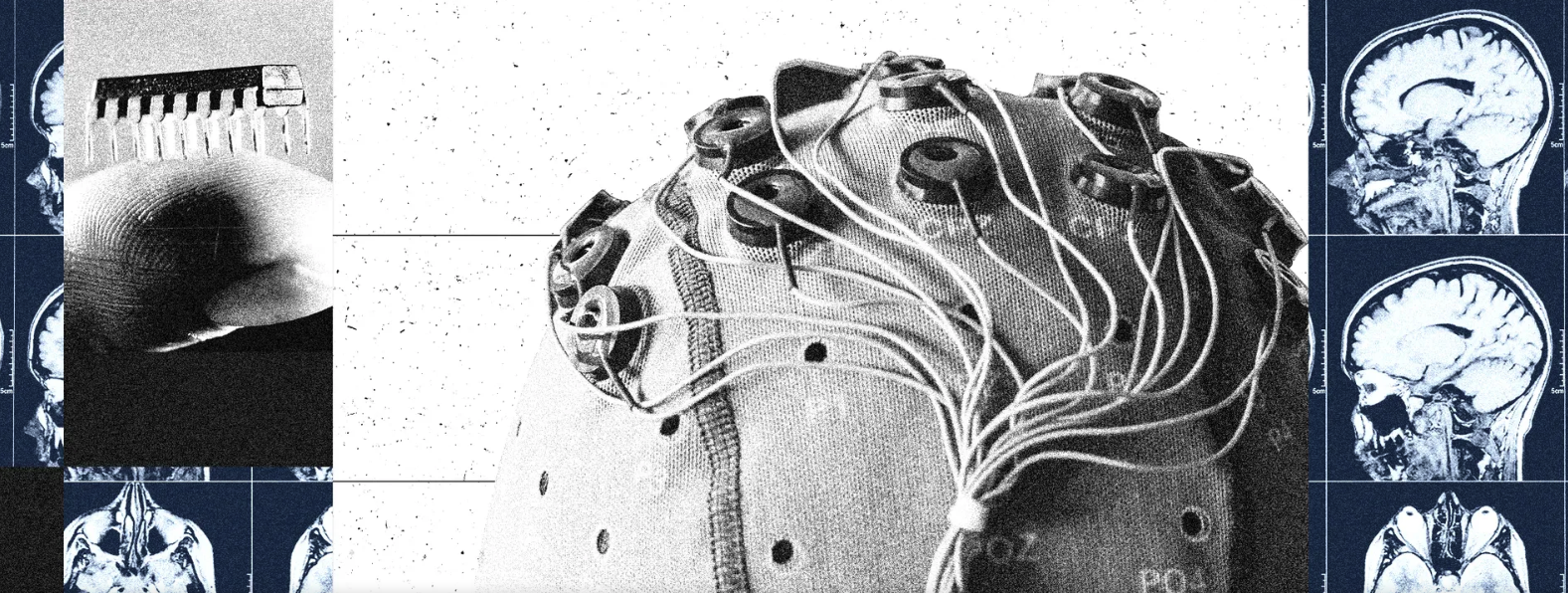
n a groundbreaking leap for neuroscience and aerospace technology, Chinese researchers have successfully conducted the first brain-computer interface (BCI) experiment in space. The test, performed aboard a low-earth orbit satellite, represents an unprecedented convergence of human cognitive engineering, space exploration, and next-generation neurotechnology (SCMP).
Unlike terrestrial BCI trials, this experiment addresses the unique challenges of zero-gravity environments and cosmic radiation, demonstrating the feasibility of real-time neural communication and data transfer between astronauts and machines in orbit. The implications of this achievement extend far beyond scientific curiosity—it signals the rise of a new class of space-enabled neurotechnologies that could redefine human performance, defense applications, and the future of high-value industries.
Pioneering the Space-Neuro Frontier
Brain-computer interfaces, which translate neural signals into machine-readable commands, have traditionally been confined to laboratories and clinical applications. Typical terrestrial experiments involve controlling prosthetic limbs, robotic arms, or digital interfaces via EEG or implanted electrodes. China’s space-based BCI experiment represents a quantum leap in both ambition and application, moving human-machine integration from Earth-bound labs into orbit.
The experiment utilized a combination of non-invasive neural sensors and advanced signal processing algorithms capable of operating under microgravity. Early reports indicate that astronauts could manipulate robotic test modules and relay cognitive signals with minimal latency—a feat previously considered speculative. By overcoming environmental constraints, Chinese researchers are laying the foundation for fully integrated human-robot systems in space operations.
Implications for Aerospace and Defense
The applications of space-based BCIs are not limited to scientific research—they carry profound strategic implications. Militaries and aerospace agencies worldwide are closely monitoring developments in this domain, recognizing that enhanced cognitive-machine interfacing could offer decisive advantages in astronaut performance, satellite maintenance, and remote operations in hazardous environments.
For example, BCI-enabled astronauts could operate multiple robotic systems simultaneously, analyze complex datasets in real time, or perform precision repairs without traditional manual inputs. This capability not only increases efficiency but also reduces risk in long-duration space missions—a crucial factor for both civilian space programs and commercial ventures such as space tourism.
Strategic Investment Opportunities
From an investment perspective, the convergence of neuroscience, AI, and space technology represents a high-value frontier. Companies involved in neurotech, AI-driven robotics, and space systems stand to benefit as governments and private enterprises accelerate funding for research and deployment. Investors with a long-term horizon may consider the following strategic insights:
Early-stage neurotech firms developing portable or space-capable BCIs could emerge as acquisition targets for aerospace giants.
AI and signal-processing innovators enabling real-time cognition-to-machine translation are likely to see exponential demand.
Commercial space ventures integrating BCI technology could redefine mission efficiency, opening opportunities for high-margin contracts with government agencies.
The luxury audience, particularly high-net-worth investors, may view these advancements not just as scientific milestones but as strategic entry points into next-generation technology sectors poised for transformative growth.
Bridging Human Cognition and Machine Intelligence
Beyond aerospace and defense, the broader implications of BCIs in space extend to cognitive augmentation, telepresence, and even the evolution of human consciousness. By testing these systems in the harshest environments, researchers are gaining insights that could translate into terrestrial applications—from enhancing decision-making speed for executives to remote operation of industrial machinery.
This development signals a shift from reactive human-machine interfaces to proactive, predictive cognition systems. In essence, space-based BCI research is accelerating a paradigm in which human thought directly orchestrates complex systems, reducing latency and increasing precision across high-stakes industries.
Global Competition and Collaboration
China’s space-based BCI experiment underscores the geopolitical dimension of technological innovation. As nations compete for space dominance and AI supremacy, breakthroughs in neurotechnology become not only a scientific achievement but also a marker of national strategic positioning. Western and Asian aerospace agencies are likely to respond with enhanced funding, collaborative projects, and accelerated R&D in cognitive-machine integration.
For investors and innovators, understanding these trends is critical. The firms and sectors that successfully navigate this intersection of technology, policy, and space exploration will capture outsized value as governments, militaries, and private enterprises rush to adopt cutting-edge BCI systems.
Ethical and Luxury Considerations
High-net-worth investors and luxury consumers are increasingly conscious of the ethical dimensions of emerging technologies. BCIs, particularly in space, raise questions about cognitive privacy, human enhancement, and the balance between human agency and machine autonomy.
For luxury brands and lifestyle investors, these developments also suggest new frontiers for experiential innovation. Imagine curated space missions where cognitive interfaces allow guests to interact with spacecraft or orbital modules in unprecedented ways—transforming exclusive experiences into immersive, tech-driven luxury adventures.
Looking Forward: The Next Decade of Space-Neuro Technology
The successful deployment of BCIs in space is more than a technical milestone; it is a strategic signal for the next decade of technological convergence. Investors, aerospace firms, and innovators must anticipate a world in which:
Human cognition directly interfaces with robotic and AI systems in extreme environments.
Space-based neurotech informs terrestrial applications across defense, industrial, and luxury sectors.
High-value investment opportunities emerge at the intersection of AI, neuroscience, and orbital technology.
The luxury investor seeking to combine strategic insight with cutting-edge technology should view this moment as a defining inflection point. As BCIs advance from laboratories to orbit, they not only expand the boundaries of human capability but also reshape markets, portfolios, and the future of innovation itself.
Sources: