On 13 January 2026, most stock markets across the Gulf Cooperation Council (GCC) posted gains as oil prices climbed, reflecting the deep interconnectedness between hydrocarbon dynamics and regional financial flows. In early trading, Dubai’s index rose around 0.6 %, Abu Dhabi’s benchmark climbed 0.3 %, and Qatar’s equities ticked up modestly — all underpinned by strength in energy staples and bank stocks. Saudi Arabia’s Tadawul remained relatively flat but saw leadership from Saudi Aramco, which added nearly 0.7 % on the session.
At first glance, this might look like a routine commodity-linked market reaction. In reality, it reveals a broader strategic transformation of Gulf capital markets, where energy price signals are increasingly shaping not only equity performance but also investment strategy, sovereign asset allocations, and geopolitical risk pricing.
Oil as the Primary Market Catalyst
Oil continues to act as the dominant driver of asset prices across the Gulf — a legacy of the region’s hydrocarbon revenue model. On the same day regional markets rose, Brent crude advanced further on international exchanges, buoyed by fears of supply disruptions linked to rising unrest in Iran. Brent was trading above $64 a barrel while U.S. West Texas Intermediate was near $59–$60, levels not seen consistently in months.
This price uptick was not driven by demand fundamentals alone but by a geopolitical risk premium that has re-emerged in commodity markets. Analysts estimate that recent tensions have added approximately $3–$4 per barrel to pricing expectations, a significant signal for Gulf producers whose fiscal breakevens depend on a solid oil foundation.
For international investors, rising oil prices create a feedback loop — higher hydrocarbon revenues support fiscal balances, which in turn underpin regional equity markets and sovereign wealth fund allocations. The Gulf financial markets thus remain uniquely sensitive to energy price signals much more than many developed economies.
What’s Driving the Risk Premium?
The latest dynamic is linked to political unrest and potential threats to supply stability in Iran — a key corridor for crude exports — which resurface intermittently and drive short-term market reactions. Even though some analysts argue that the threat to Strait of Hormuz oil flows is often exaggerated compared to historical levels of disruption, markets treat political volatility as a real economic risk.
At the same time, potential supply increases from countries like Venezuela remain on investor radars, complicating the global outlook. In this environment, Gulf markets are not simply mirroring oil price movements — they are leading the translation of energy price risks into financial market performance.
Beyond Oil: Capital Flows and Regional Strategy
What differentiates the current rally from past commodity-linked gains is the strategic rotation in asset allocation by both regional and international investors. Gulf financial markets have matured significantly over the past decade, with greater liquidity, broader sector representation, and deeper integration into global capital flows.
Sovereign wealth funds such as the Abu Dhabi Investment Authority, Qatar Investment Authority, and Saudi Arabia’s Public Investment Fund have shifted from pure reserve accumulation to balanced portfolio strategies that include technology, infrastructure, and alternative assets. However, energy remains the backbone — not only of income generation but of market confidence and fiscal sustainability.
When oil prices rise on geopolitical fears, regional capital markets tend to:
-
Re-price risk away from volatility in equities toward energy and financial stocks.
-
Boost bank valuations as higher oil revenues strengthen credit growth expectations.
-
Support currency stability through pegged structures tied to the U.S. dollar.
This dynamic encourages additional capital inflows into the region, including from global asset managers seeking both yield and diversification.
The Structural Role of Oil in Gulf Economics
While diversification strategies remain policy goals across GCC economies, oil continues to shape investor psychology. Even as governments push into sectors such as tourism, renewables, and fintech, oil price movements are the fastest signals of fiscal breathing room or stress. Rising prices enable ambitious public spending, infrastructure programmes, and sovereign investment — all of which support deeper financial markets.
Saudi Arabia’s Vision 2030, for example, relies on oil revenues to fund structural transformation; similarly, the UAE’s diversification strategies are financed through a combination of energy export proceeds and non-oil economic growth. In this sense, the regional stock markets’ reaction on 13 January 2026 was not merely technical — it was a signal of confidence in the region’s economic architecture, reinforced by elevated hydrocarbon pricing.
What This Means for Global Investors
For ultra-high-net-worth investors and institutional allocators, the Gulf’s response to rising oil prices underscores several strategic truths:
-
Hydrocarbon fundamentals remain pivotal. Unlike many commodity markets where futures speculation can drive prices independently of supply/demand, in the Gulf, real geopolitical and fiscal stakes matter deeply.
-
Risk premiums have real balance-sheet implications. A $3–$4 per barrel geopolitical add-on impacts fiscal budgets, sovereign credit ratings, and long-term yield curves.
-
Regional equity markets are integrated into global flows. Gains in Gulf indices often precede or coincide with broader EM and commodity equity rallies, offering early signals for macro portfolios.
-
Diversification does not negate oil’s strategic role. Even as pension funds and sovereigns diversify, oil price trends remain the fastest indicator of market sentiment and capital allocation shifts.
Luxury Markets and Geopolitical Sentiment
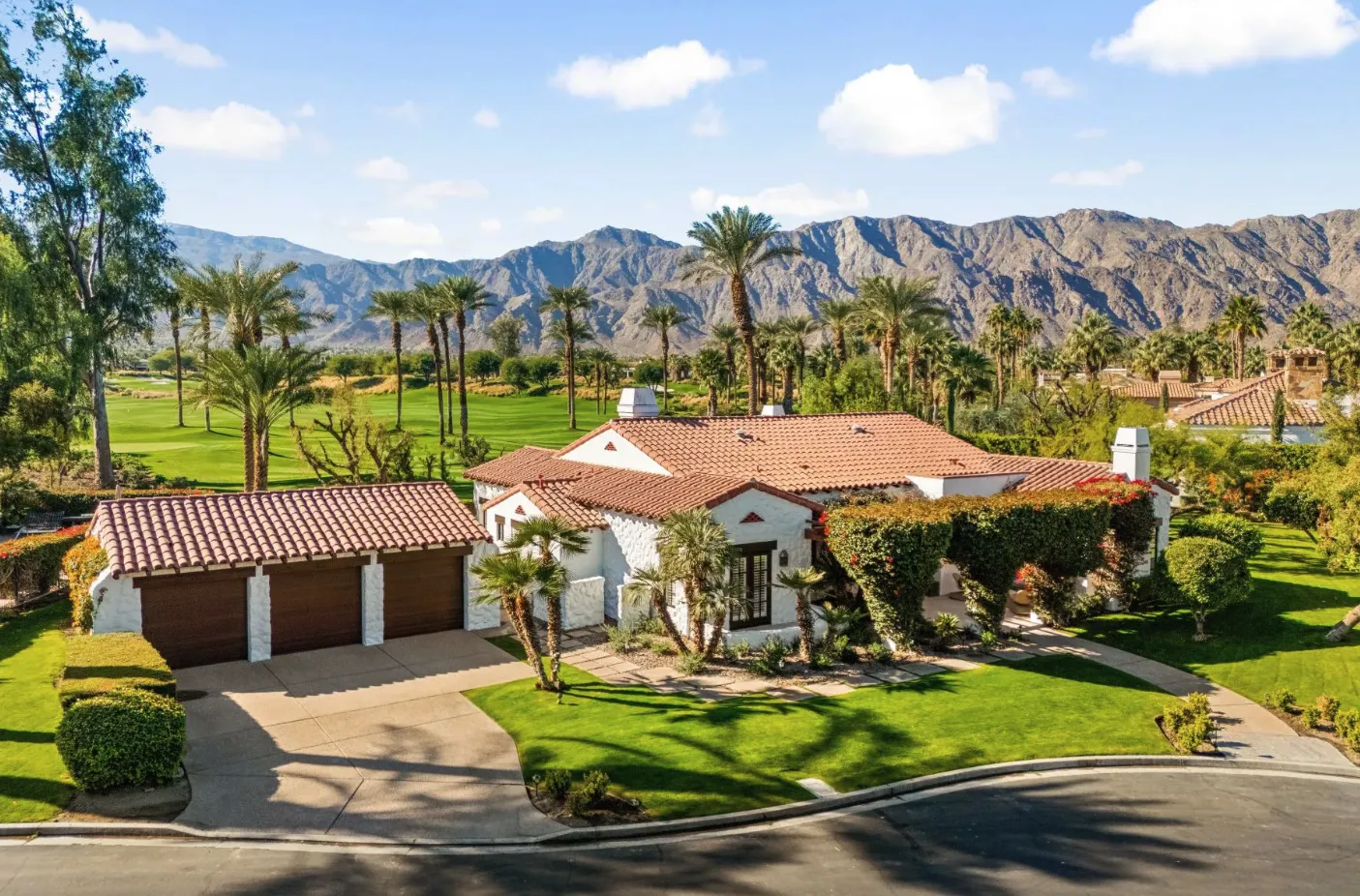
Rising oil prices also have implications beyond equities and sovereign capital. In the luxury real estate and alternative asset segments, affluent buyers often time acquisitions with periods of heightened liquidity and fiscal optimism. Cities such as Dubai and Riyadh increasingly attract global capital looking for safe, high-yield assets when energy-driven cash flows strengthen.
This nexus between energy markets and luxury consumption confirms that, in the Gulf region, capital confidence and lifestyle demand are correlated with energy wealth cycles. For luxury brands and asset managers, understanding these macro drivers is key to positioning offerings in properties, experiences, and bespoke services that follow high-net-worth liquidity trends.
Looking Ahead: Oil’s Role in a Diversifying World
Despite forecasts from some global banks suggesting potential downward pressure on oil prices later in 2026 due to oversupply and inventory buildup, the current market reaction underscores oil’s continued relevance as a strategic asset class.
Regional markets, far from being passive beneficiaries of energy price movements, are now sophisticated financial systems where policy, geopolitics, and capital flows intersect.
For investors oriented toward macro trends, the Gulf rally on 13 January 2026 teaches a critical lesson: oil is not just a commodity — it is a catalyst for capital allocation, risk pricing, and financial confidence in a region that remains central to global economic stability.
Sources:
-
Reuters: Most Gulf bourses gain on oil — markets buoyed by oil price rise amid geopolitical tension.
-
Reuters: Oil extends climb on Iran supply disruption concerns — oil price dynamics shaping risk premiums.
-
Goldman Sachs note on oil forecasts — potential long-term price pressure due to supply dynamics.