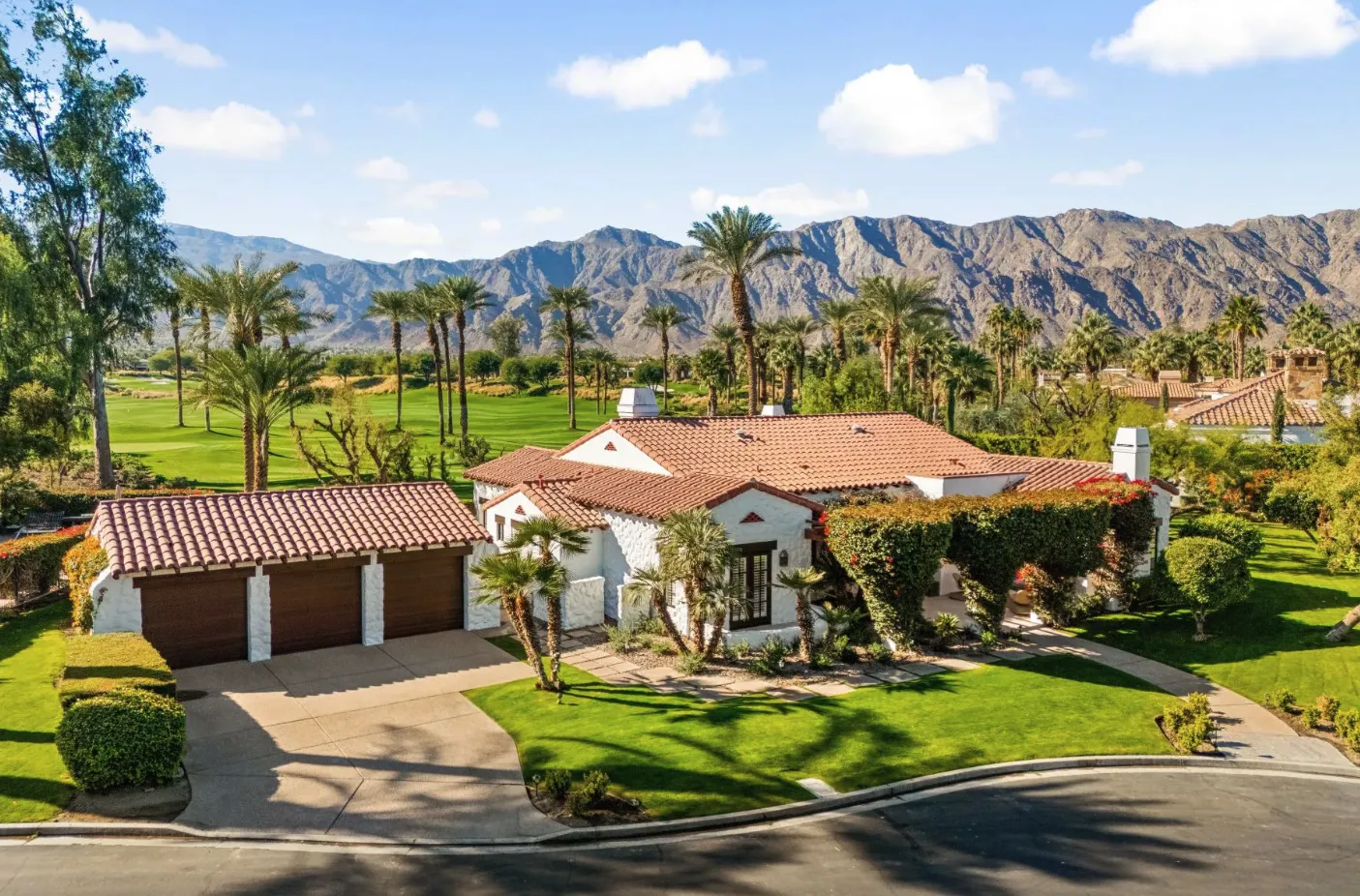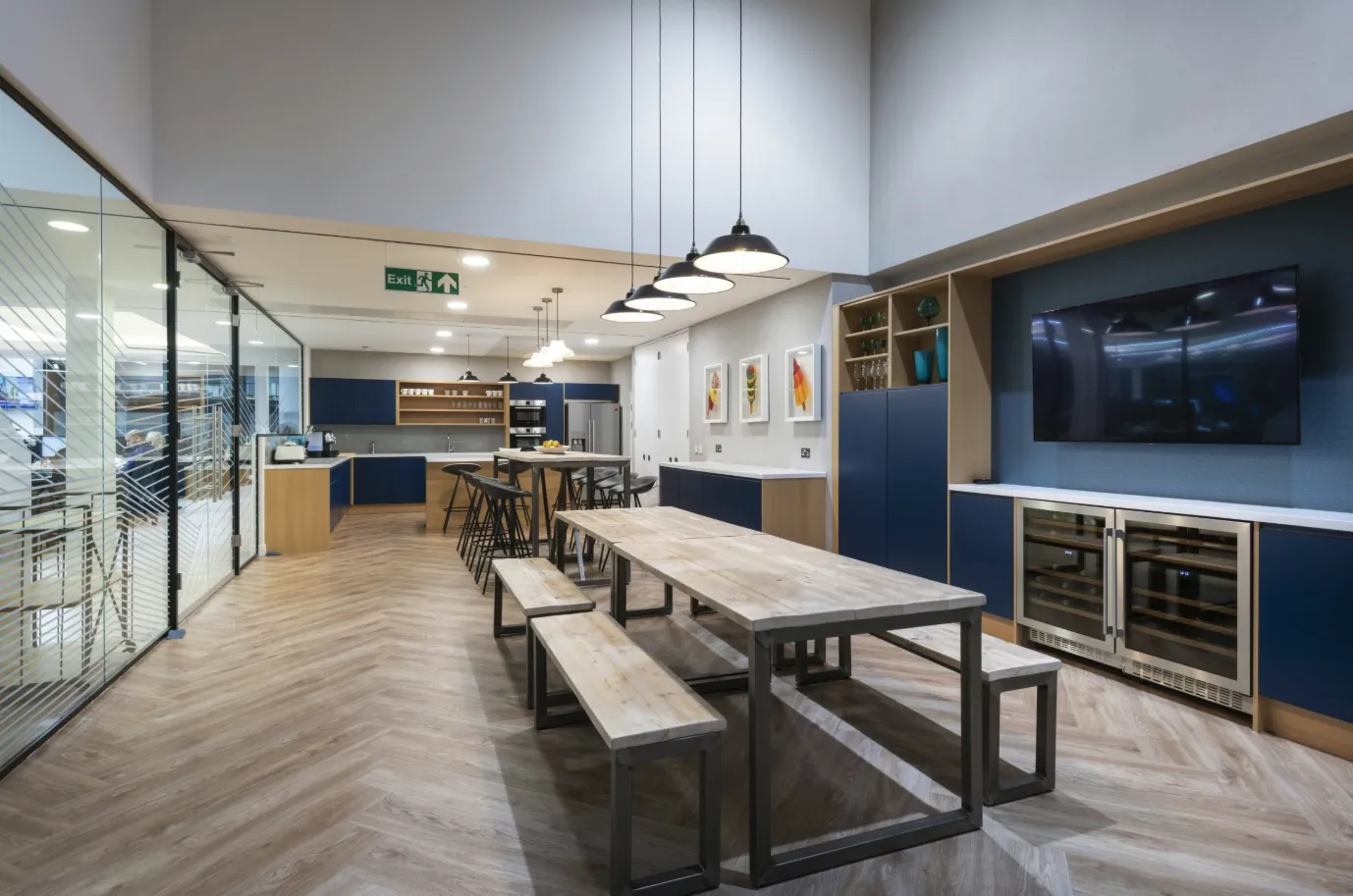
The home has evolved far beyond being a place to live. It is now a strategic asset for attracting, retaining, and enhancing the performance of top talent. For companies and private investors alike, real estate is valued not only for location or aesthetics but also for its ability to create environments that maximize employee productivity, well-being, and innovation.
The Home as Corporate Infrastructure
Remote and hybrid work models have created demand for homes where workspaces are integrated into daily life. Effective residential work environments include:
-
Private offices and video-ready conference rooms. These spaces allow employees to focus, maintain productivity, and conduct confidential meetings without distractions.
-
Creative zones and innovation spaces. Soundproof studios, brainstorming corners, and flexible work areas foster ideation and collaboration.
-
Ergonomics and technology. Adjustable furniture, automated lighting, and high-speed internet transform homes into extensions of corporate infrastructure.
Companies that invest in these residential workspaces are effectively expanding the office beyond traditional walls, creating environments for high-performance output.
Wellness Zones: Health as a Retention Tool
Employee well-being has become a critical driver of retention and productivity. Popular wellness features include:
-
Meditation and relaxation areas. These spaces reduce stress and support sustained focus.
-
Fitness studios and mini-spas. Regular physical activity and recovery spaces enhance energy and cognitive performance.
-
Biometric monitoring systems. Tools that track sleep quality, stress levels, and physical activity provide actionable insights for both employees and managers.
Studies indicate that homes equipped with integrated wellness features can increase employee satisfaction by up to 35%, directly affecting retention of key talent.
Digital Hubs for Remote Collaboration
Modern homes are increasingly miniature digital hubs that support remote collaboration and global project execution:
-
Cloud-based workstations and secure servers. Enable safe handling of sensitive data and management of corporate processes remotely.
-
VR and AR collaboration rooms. Facilitate virtual presentations, simulations, and team interactions.
-
Enterprise-level cybersecurity. Protects sensitive information while employees work from residential locations.
As a result, the home becomes a strategic platform for knowledge management and innovation, not merely a place to live.
The Business Case for Talent-Centric Homes
For organizations competing for elite talent, residential environments have become a core part of the employee value proposition. Investment in talent-oriented homes can be understood as direct investment in human capital:
-
Reducing attrition. High-value employees prioritize quality of life and work-life balance. Homes with premium infrastructure provide a tangible incentive to remain with the company.
-
Boosting productivity. Access to dedicated workspaces, natural light, and wellness amenities can increase cognitive output by 20–25%.
-
Attracting global talent. Remote-ready residences allow companies to hire top performers from anywhere in the world, bypassing geographic limitations.
Case study: A European fintech startup acquired multiple apartments fully equipped with private offices and wellness zones for its remote team. Within six months, employee productivity rose by 18%, and turnover dropped by 40%. These metrics highlight the tangible ROI of residential investments.
Real Estate as a Strategic Asset
Residences designed to attract and retain talent are no longer passive assets—they are strategic investments:
-
Value appreciation through functionality. Homes with integrated workspaces, wellness zones, and digital infrastructure command premium prices over standard high-end properties.
-
Corporate ROI. Investments in employee-centered residential infrastructure result in measurable gains in productivity, loyalty, and innovation. Costs of outfitting a high-end home often pay for themselves through improved performance and retention.
-
Future-proofing work models. Embedded AI, IoT, and hybrid collaboration tools make these homes adaptable to evolving work patterns and expectations.
Design Principles for Talent-Oriented Homes
-
Functionality. High-speed internet, private offices, and collaboration zones.
-
Wellness. Gyms, meditation rooms, natural lighting, and advanced air/climate control.
-
Digital infrastructure. Cloud workstations, VR/AR rooms, and enterprise-grade cybersecurity.
-
Location and flexibility. Balancing urban accessibility for collaboration with privacy and quiet for focus.
Conclusion: The Home as a Competitive Advantage
The home is no longer merely a place to live—it has become a strategic lever for attracting and retaining top talent, enhancing productivity, and fostering innovation. Investments in workspaces, wellness zones, and digital hubs transform real estate into a tangible business asset, delivering measurable returns: reduced turnover, increased performance, and long-term value creation.
Organizations and investors that understand the strategic potential of talent-focused residential design gain a sustainable competitive edge in the global talent market, while creating conditions for enduring growth and innovation.