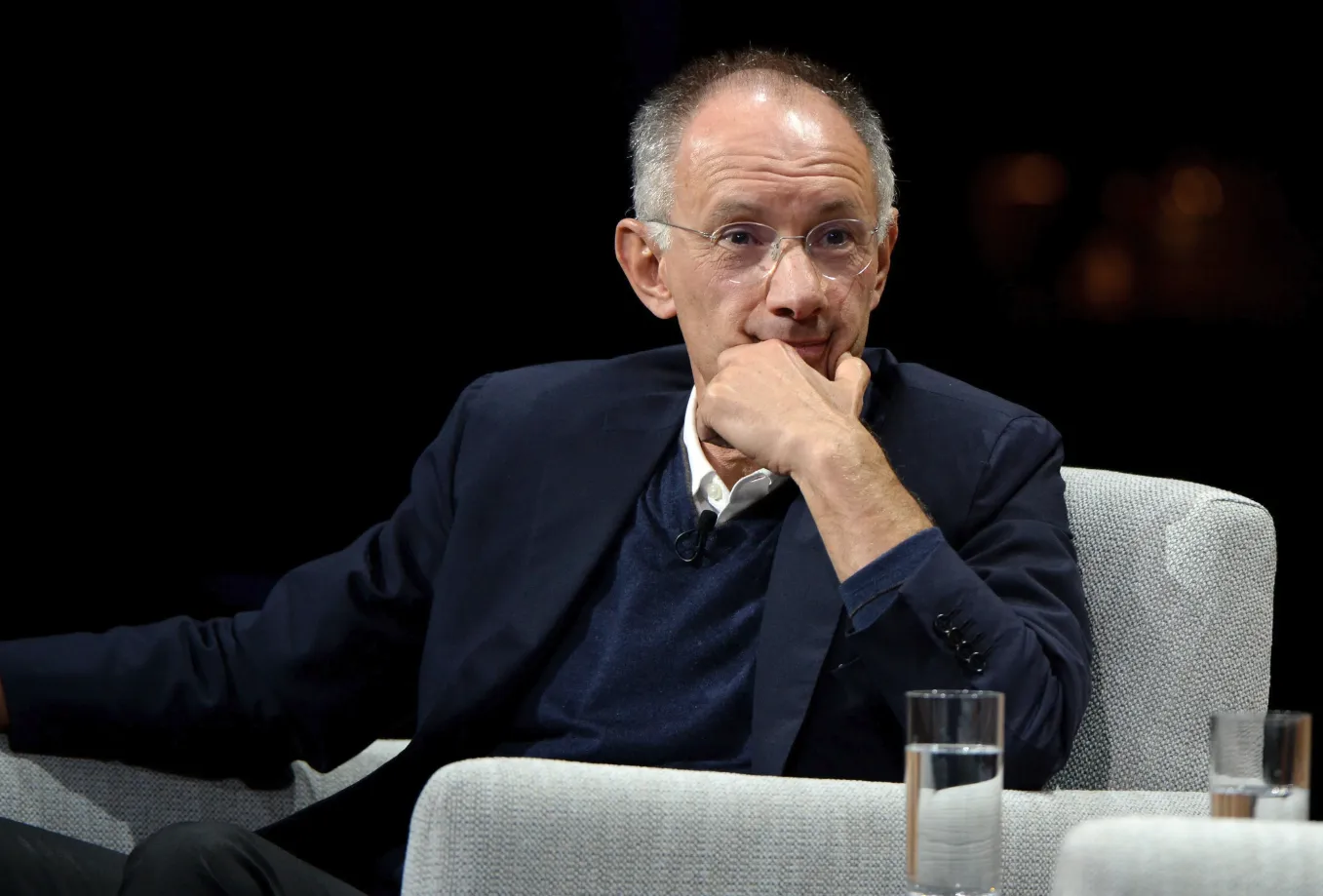
In a rare and candid interview with The Times, Sir Michael Moritz — the Welsh‑born venture capitalist behind early investments in Google, PayPal and LinkedIn — delivers some of the boldest commentary yet from within the billionaire class. Far from the sanitized public relations lines often heard from the ultra‑wealthy, Moritz touches on politics, the responsibility of wealth, rising inequality and how today’s richest innovators see the world’s economic and social trajectory.
A Billionaire’s Perspective on Today’s Politics
Moritz doesn’t mince words about his view of former U.S. President Donald Trump, calling him “an absurd buffoon”. But beyond personal disparagement, he suggests this type of political figure represents a deeper systemic anxiety — a disconnection between established institutions and populist sentiment.
For Moritz — who carries both British and American citizenship and has published a memoir exploring his family’s history as Jewish refugees — this isn’t just rhetorical. He expresses genuine worry about rising antisemitism and political divisiveness, drawing unsettling parallels between today and the 1930s.
His stance reflects a broader theme within parts of the billionaire cohort: anxiety over political instability, regulatory unpredictability and cultural conflict, not just from the left but increasingly from populist forces that challenge the status quo.
Billionaire Wealth in 2025–2026: A Record Expansion
At the same time Moritz speaks out about politics, the global environment of billionaire wealth has hit unprecedented heights. According to UBS’s 2025 Billionaire Ambitions Report:
-
The number of billionaires worldwide has risen sharply, nearing 3,000 individuals — up roughly 8.8% from the previous year.
-
Combined billionaire wealth has grown to about $15.8 trillion.
-
Of these, more than two‑thirds are self‑made.
Meanwhile, data from the year’s end shows total billionaire wealth may have reached around $18.7 trillion globally, jumping by around $3.6 trillion year‑over‑year, driven by tech and AI valuation surges and booming stock markets.
Elon Musk, for example, saw his net worth explode by more than $330 billion in 2025, positioning him on track to be the first conceivable trillionaire, while other major figures in tech saw tremendous individual gains.
This explosive expansion of concentrated wealth stands in contrast with economic pressures faced by most of the world, including inflationary pressures that have affected even the ultra‑rich — where certain costs have risen faster than for average consumers.
Wealth With Purpose — Or Wealth With Consequences?
For Moritz, wealth isn’t merely a private asset: he has invested more than £200 million in causes such as Oxford bursaries and the National Gallery, and he underwrites cultural institutions like the Booker Prize.
He also founded The San Francisco Standard, a regional news outlet, and backs civic initiatives aimed at urban reform. These moves signal a belief that resources and influence should be used to shape public life — not just portfolios.
His mission is not unique among some billionaire circles. Over recent years, several ultra‑wealthy figures have stepped into spheres traditionally managed by governments or civic institutions. But Moritz’s activism — especially his willingness to voice unease about cultural and political trends — sets him apart from peers who stay publicly neutral.
Where Wealth Meets Innovation
While Moritz critiques politics, he simultaneously recognizes the unprecedented role of technological innovation in building current wealth levels. The AI boom alone is estimated to have created more than 50 new billionaires in 2025, as startup funding topped record highs of over $200 billion and new companies crossed valuation thresholds that propelled founders into the billionaire class.
This reflects a broader shift: while traditional industries still produce wealth, technology and AI now dominate the creation of new billionaires — and thus exert disproportionate influence over global economic trends.
The Billionaire Paradox: Prosperity and Unease
Moritz’s portrait of the billionaire mindset is twofold:
-
Optimism for innovation — especially in areas like artificial intelligence and transformative technology.
-
Caution or even pessimism about global politics and social stability, especially when political narratives undermine trust in institutions and democratic norms.
That duality — between driving progress and confronting its societal side effects — reveals the billionaire paradox: those who accumulate the most wealth are increasingly vocal about issues wealth alone cannot fix.
What This Means for the Global Economy
As more individuals reach extreme wealth levels, and as that wealth becomes more connected to technology and innovation, a few key trends emerge:
-
Wealth concentration continues to rise, with a small elite controlling an ever‑larger portion of global capital.
-
Political discourse increasingly involves private wealth holders — not just as investors, but as influencers and critics.
-
Innovation fuels new wealth creation faster than almost any other economic driver, especially in AI and software.
Against this backdrop, Moritz’s commentary — harsh, reflective and deeply personal — offers a rare window into how part of the global billionaire class sees itself: not merely as beneficiaries of economic systems, but as participants in shaping them. Whether that role is entirely positive remains fiercely debated.
Sir Michael Moritz may be one of the richest people in the world, but his reflection on politics and wealth is less about personal power than about the fragility of democratic institutions and the responsibility of the ultra‑wealthy to engage with society’s biggest challenges. As billionaire fortunes hit record highs and technology continues to redefine global markets, voices like Moritz’s could foreshadow a more politically and socially engaged era among the world’s richest.
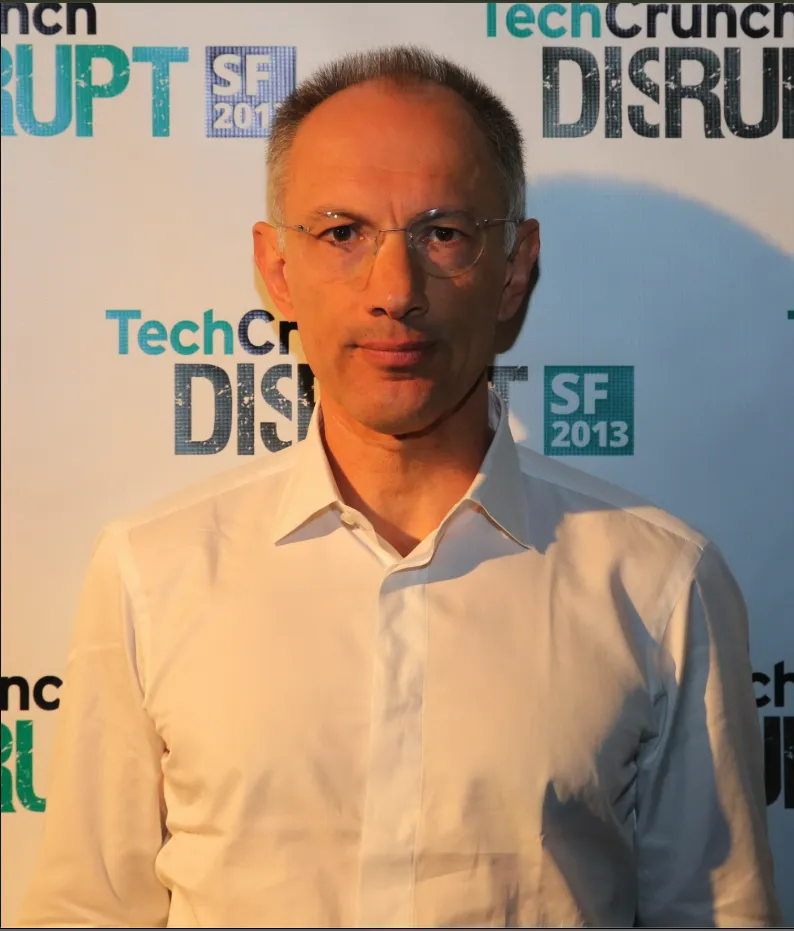 Michael Moritz