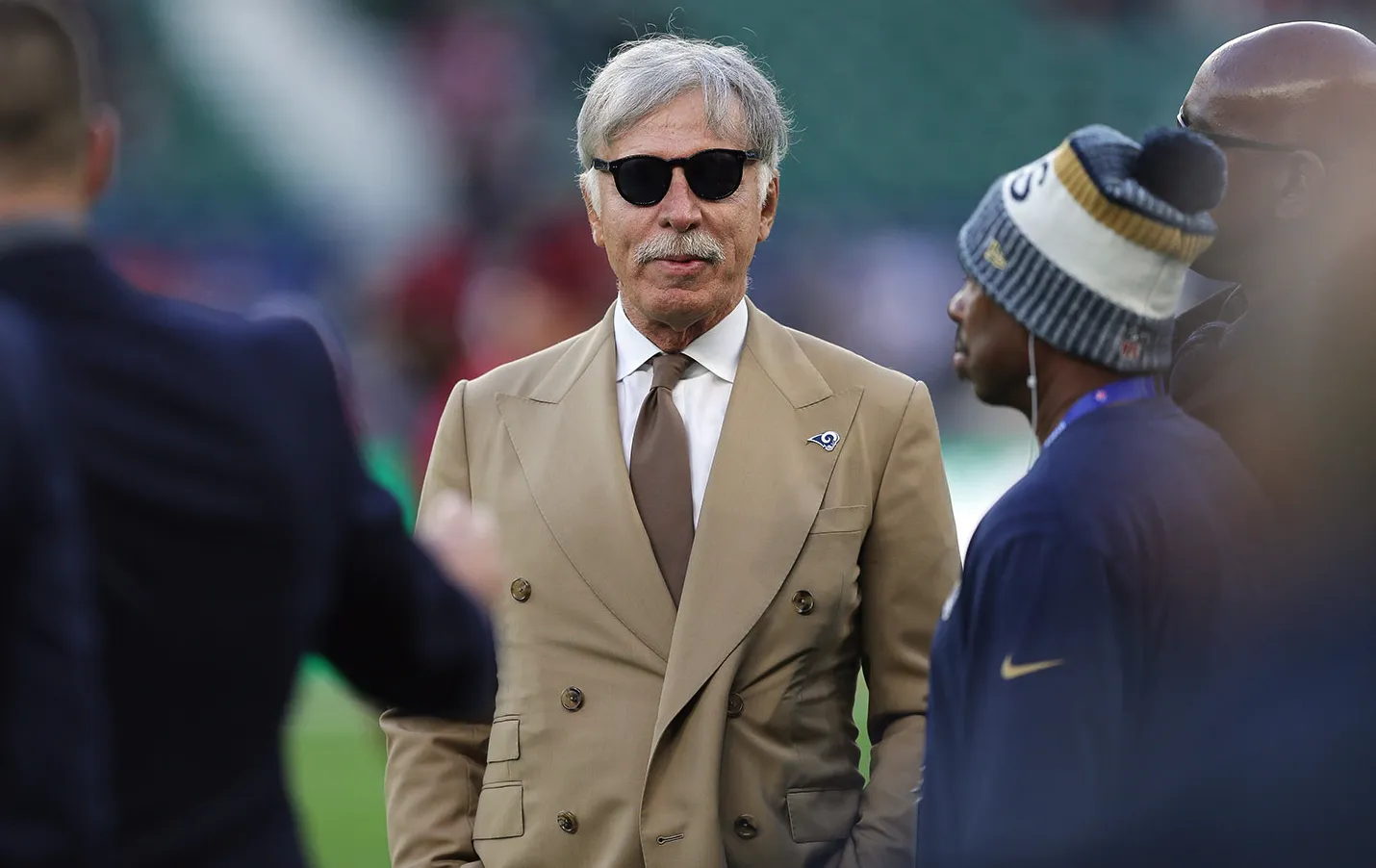
On January, 2026, sports and business media reported that Stan Kroenke, billionaire owner of the NFL’s Los Angeles Rams and Arsenal FC, filed a high-profile lawsuit against a billboard company for placing advertisements near the SoFi Stadium in Inglewood, California. The lawsuit alleges that the visual encroachment diminishes the aesthetic and commercial value of the stadium, potentially impacting both Kroenke’s sports operations and real estate portfolio. (Insurance Journal)
Kroenke’s legal move highlights how ultra-wealthy sports owners are increasingly taking aggressive measures to protect not only their team assets but also the broader commercial ecosystems surrounding major venues. The case has drawn attention from investors, sports analysts, and legal experts who see it as a new frontier in sports real estate litigation.
The Context of the Lawsuit
The dispute centers on several billboards erected near SoFi Stadium, which, according to Kroenke’s legal team, violate local zoning regulations and encroach upon the stadium’s visual corridors. These billboards are located along the primary approach routes to the stadium, affecting the fan experience, advertising exclusivity, and property value.
The lawsuit claims that the presence of these billboards interferes with existing sponsorship agreements and diminishes the perceived prestige of the stadium. Given that SoFi Stadium is considered one of the most modern and technologically advanced sports arenas in the world, any obstruction or visual clutter may reduce its appeal for high-end events and corporate hospitality. (Insurance Journal)
Kroenke’s Real Estate and Stadium Investments
Stan Kroenke is not only a sports team owner but also a real estate magnate with extensive holdings across the U.S., particularly in high-value sports and entertainment districts. SoFi Stadium itself is part of a larger Hollywood Park development, which includes luxury residential units, office spaces, and retail complexes.
Kroenke’s portfolio strategy emphasizes synergy between sports assets and real estate development, making the preservation of the stadium’s visual environment critical. The placement of billboards nearby could be interpreted as a direct threat to the revenue streams tied to sponsorship deals, ticket pricing, and ancillary services. (Forbes)
The Billionaire Approach to Litigation
This lawsuit is consistent with Kroenke’s aggressive asset-protection strategy. Billionaires increasingly use litigation not just as a defensive tool but also as a strategic lever to influence urban development and commercial agreements. In the world of high-value sports and entertainment real estate, even minor changes in surrounding infrastructure can impact tens of millions of dollars in revenue.
Legal analysts point out that sports venue owners now treat stadiums like multi-billion-dollar commercial complexes, where every visual and branding element matters. Billboards, signage, or unsanctioned structures nearby are no longer just minor nuisances; they represent potential revenue and brand dilution. (Insurance Journal)
Economic Implications
The lawsuit is significant not only for Kroenke but also for the broader Los Angeles real estate and advertising markets. If Kroenke wins, billboard companies may face stricter restrictions on placing advertisements near high-profile sports venues. This could impact urban advertising rates, as companies might be required to pay premium fees for approved spaces or relocate their campaigns.
Moreover, the case sets a precedent for billionaire owners leveraging legal frameworks to maintain the exclusivity and aesthetic value of their assets. In an era where stadiums are no longer just sports arenas but hubs for luxury entertainment, concerts, and corporate events, controlling the surrounding visual landscape is critical. (Forbes)
Public and Investor Reactions
The lawsuit has generated diverse reactions. Fans and local residents are curious about how urban advertising conflicts may affect the stadium experience, while investors and corporate sponsors are watching closely to understand the potential financial and legal outcomes.
Sports finance experts suggest that the lawsuit could enhance the value of the stadium’s corporate suites and sponsorship packages if Kroenke successfully limits visual clutter. This would make the stadium more attractive for high-end corporate events, concerts, and exclusive fan experiences. (Insurance Journal)
Legal and Zoning Challenges
One of the central challenges in the case is zoning law compliance. Billboard companies argue that their placements are within legal limits and do not violate city regulations. However, Kroenke’s legal team contends that the billboards interfere with contractual obligations, including stadium sponsorship agreements and local ordinances protecting visual aesthetics.
If the court sides with Kroenke, it could reshape urban planning rules near major sports venues, especially in cities where real estate developers and sports magnates intersect. This could influence how new billboards, signage, and digital screens are regulated near multi-billion-dollar stadium projects. (Insurance Journal)
Strategic Business Perspective
From a strategic standpoint, Kroenke’s lawsuit is about more than billboards — it’s about protecting brand equity and investment value. In today’s sports and entertainment economy, stadiums are complex assets generating revenue from multiple channels:
Ticket sales and season passes
Luxury suites and corporate hospitality
Naming rights and sponsorship deals
Event hosting and merchandising
A visual obstruction or perceived degradation of the stadium environment could directly reduce these revenue streams. Billionaire investors like Kroenke are therefore proactive in using legal means to safeguard their multi-channel income sources. (Forbes)
Global Trend: Billionaires Protecting Assets
Kroenke’s case is part of a broader pattern. Globally, ultra-wealthy owners and investors increasingly take legal action to:
Protect surrounding real estate values
Safeguard sponsorship and advertising exclusivity
Ensure long-term strategic control over commercial ecosystems
This trend reflects the evolution of sports venues into multi-billion-dollar real estate hubs where visual aesthetics, branding, and sponsorship exclusivity are as valuable as the sports team itself. (Forbes)
Conclusion
The Stan Kroenke billboard lawsuit is more than a local legal dispute — it is a lens into how modern billionaire asset management is evolving. SoFi Stadium, one of the world’s most high-tech and valuable sports complexes, is not just a venue but a multi-channel investment, where brand equity, real estate value, and sponsorships intersect.
As billionaires continue to assert control over their assets’ surroundings, similar legal battles are likely to emerge across the globe, from sports arenas to luxury developments. For investors, sponsors, and urban planners, Kroenke’s case represents a critical precedent: in today’s economy, even visual encroachments can become multi-million-dollar legal battles.
This development underscores the growing influence of ultra-wealthy individuals on urban spaces, advertising practices, and commercial real estate — a trend that will likely shape cityscapes and investment strategies for years to come.