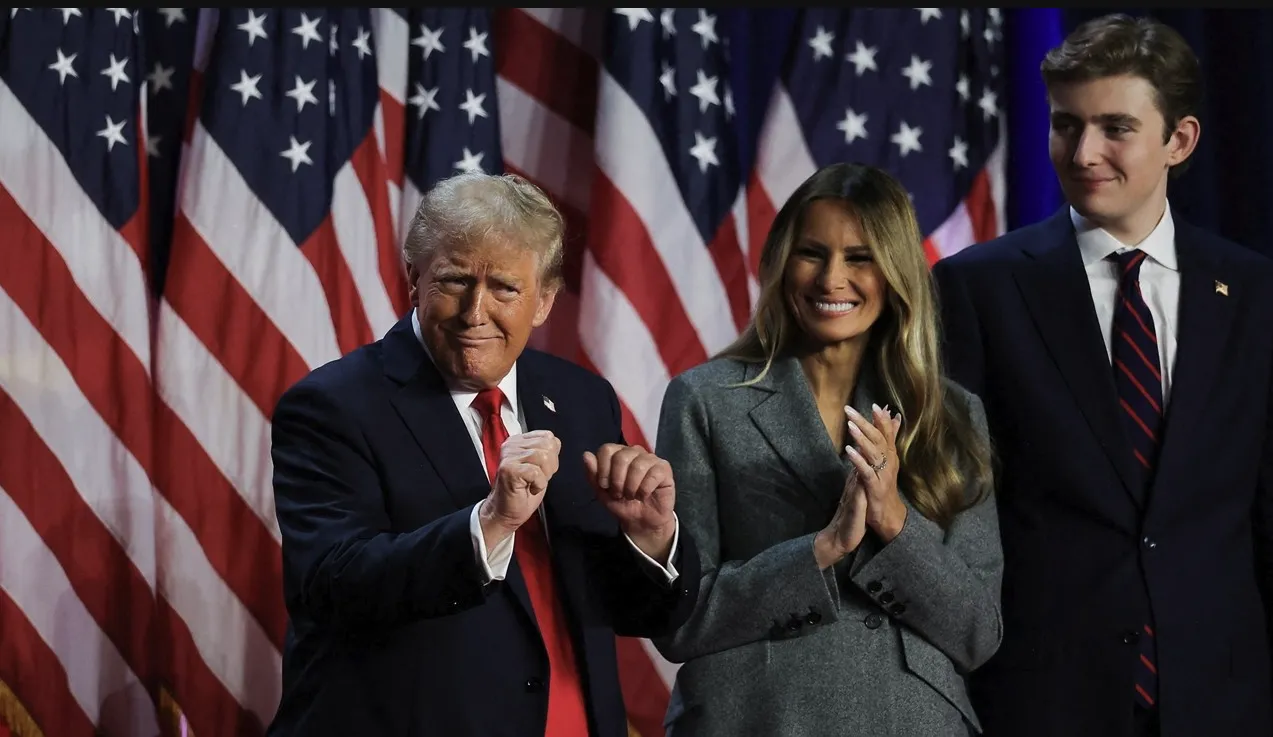
Global financial markets turned their attention to the United States, where former President Donald Trump’s administration escalated public pressure on Federal Reserve Chairman Jerome Powell, even hinting at potential legal actions. This unprecedented confrontation has captured the interest of investors, analysts, and regulators worldwide. (Reuters)
Traditionally, the Federal Reserve operates as an independent central bank, making decisions on interest rates and monetary policy based on macroeconomic indicators rather than political influence. Any attempts to sway the Fed Chair are perceived by markets as a serious risk to financial stability, potentially affecting everything from equities to the U.S. dollar and Treasury yields.
Why Trump’s Administration Is Pressuring Powell
The escalation stems from several factors:
Monetary Policy Disagreements
The Trump team has publicly criticized Powell’s stance on interest rates, arguing that rate hikes could slow economic growth and depress markets ahead of the 2026 midterm elections. Former advisors have claimed that the Fed’s tightening policy is unnecessarily restrictive, although most economists emphasize that Powell’s decisions are data-driven.Legal Threats
In an unusual development, Trump’s advisors suggested the possibility of criminal investigations into Powell’s decision-making, a move that has been widely condemned by central bank experts as unprecedented and dangerous for institutional independence. (Reuters)Political Strategy
Some analysts interpret the attacks as part of a broader political strategy aimed at signaling assertiveness toward the Federal Reserve, appealing to a base concerned about market volatility and economic policy. However, such moves also risk undermining investor confidence in U.S. financial governance.
Market Reactions to the Pressure
Financial markets responded immediately:
Wall Street futures dropped as traders weighed the risk of Fed interference in monetary policy. (Reuters)
Gold prices surged, reaching multi-year highs, as investors sought safe-haven assets amid uncertainty over the Fed’s independence. (Reuters)
The U.S. dollar weakened against major currencies, reflecting investor concerns that political interference could affect Federal Reserve credibility.
Analysts from Goldman Sachs emphasized that while the political threats are alarming, Powell’s decisions are unlikely to be swayed, given the institutional framework of the Federal Reserve. (Reuters)
Implications for the U.S. Economy
Monetary Policy Uncertainty
Investors are now factoring in the potential for political interference in interest rate decisions, which could lead to heightened volatility in bond, equity, and currency markets.Risk Premiums on Assets
Markets may demand higher returns on Treasuries and corporate bonds to compensate for perceived risks, indirectly increasing borrowing costs for businesses and consumers.Global Repercussions
Given the U.S. dollar’s central role in global trade and finance, any perceived erosion of Fed independence can trigger broader market instability, affecting emerging markets, cross-border investments, and commodity prices.
Historical Context
It is extremely rare in modern U.S. history for a sitting administration to threaten legal action against a Fed Chair. The Federal Reserve has traditionally operated as a politically independent institution to ensure decisions are guided by macroeconomic data rather than partisan considerations. Similar attempts in the past have sparked significant market turbulence and criticism from economists.
In 2026, this episode has reignited debate about central bank independence versus political oversight, with some advocating stronger safeguards for institutional autonomy.
Analyst Perspectives
Goldman Sachs: Powell’s decisions will remain data-driven, and the Fed is unlikely to yield to political pressure.
Morgan Stanley: Markets may experience short-term volatility, but long-term fundamentals of the U.S. economy remain strong.
Independent Economists: Legal threats undermine trust in governance structures and could trigger cautious behavior among investors.
These viewpoints suggest that while markets are jittery, the underlying fundamentals—low unemployment, GDP growth, and resilient consumer demand—support the Fed’s ability to maintain credibility.
Investor Takeaways
For investors, the Trump-Fed tension signals several key considerations:
Volatility in the Short Term – Stock, bond, and currency markets may experience heightened swings as political headlines dominate news cycles.
Safe-Haven Assets Gain Appeal – Gold, U.S. Treasuries, and defensive equities may attract inflows from risk-averse investors.
Long-Term Policy Stability Likely – Institutional independence of the Fed, though challenged, remains strong, suggesting medium- and long-term interest rate policy will continue based on economic data.
Conclusion: Navigating Uncertainty
The escalation by Trump’s administration against Fed Chair Jerome Powell is a stark reminder of the delicate balance between politics and central banking. Investors are watching closely, adjusting portfolios to hedge against volatility while monitoring Powell’s statements for clues about continued independence.
Despite the immediate tension, experts generally agree that Powell and the Fed are likely to uphold policy integrity, maintaining a careful, data-driven approach to monetary policy. However, this episode highlights how political actions can rapidly influence market sentiment, driving short-term risk premiums and elevating safe-haven demand.
For market participants, the lesson is clear: political interference can move markets, but long-term stability rests on institutional credibility and sound economic fundamentals.