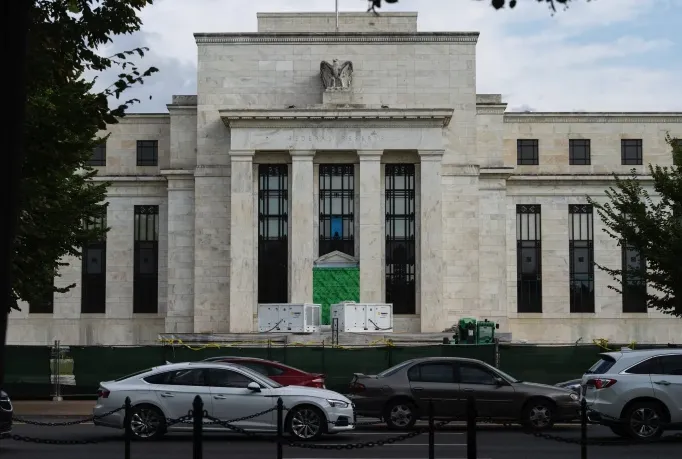
High interest rates were supposed to be temporary. Instead, they have become a defining feature of the current business cycle. By 2026, companies are no longer debating whether rates will stay elevated, but how long they must operate under these conditions.
The result is a clear divide across the business landscape. Some companies are quietly benefiting from higher rates, stronger pricing power, and improved cash returns. Others are discovering that business models built for cheap money no longer work.
This is not a macroeconomic debate. It is an operational one. High rates change who survives, who expands, and who exits.
Why High Interest Rates Matter for Business
Interest rates affect businesses through three direct channels:
-
Cost of capital — borrowing becomes expensive
-
Valuation pressure — future earnings are discounted more heavily
-
Cash value — liquidity suddenly earns real returns
When rates rise, leverage stops being an advantage and starts becoming a liability. At the same time, balance-sheet strength becomes a competitive weapon.
The Winners
1. Cash-Rich Corporations
Companies with large cash reserves are among the clearest winners.
Why:
-
Cash earns yield again
-
No need to refinance debt at higher costs
-
Ability to acquire distressed competitors cheaply
These firms can wait while others are forced to act. In high-rate environments, patience becomes a strategy.
Practical advantage:
Cash-rich firms gain optionality. They can delay investment, negotiate better acquisition terms, or return capital to shareholders without financial strain.
2. Banks and Financial Institutions
Higher interest rates widen net interest margins.
Banks benefit because:
-
Loan rates rise faster than deposit costs
-
Interest income increases immediately
-
Conservative lending becomes profitable again
This does not mean risk disappears. Credit quality matters. But structurally, banking becomes simpler and more predictable when money has a price.
Key shift:
Volume matters less than pricing discipline.
3. Businesses With Pricing Power
Companies that can raise prices without losing customers gain insulation from rate pressure.
Common characteristics:
-
Strong brands
-
Essential services
-
Contract-based revenue
-
Limited competition
These firms pass higher financing and operating costs directly to customers.
Result:
Margins remain stable even as borrowing costs increase.
4. Private Equity With Dry Powder
Private equity firms that raised capital before rates rose are positioned well.
They benefit because:
-
Asset prices compress
-
Fewer competing buyers
-
Sellers become more motivated
While leverage is more expensive, entry valuations improve. The best funds adjust deal structures rather than exit the market.
The Losers
1. Highly Leveraged Companies
Debt-heavy firms face immediate pressure.
Problems include:
-
Refinancing at significantly higher rates
-
Interest expenses consuming operating income
-
Reduced flexibility in downturns
This is especially dangerous for companies with:
-
Short-maturity debt
-
Floating-rate loans
-
Weak pricing power
High rates expose leverage that once looked manageable.
2. Growth-First Business Models
Companies built on future profits struggle when capital is no longer cheap.
Why:
-
Future earnings are discounted more aggressively
-
Investors demand profitability now
-
Access to funding tightens
This affects:
-
Venture-backed firms
-
Unprofitable tech companies
-
Expansion-driven startups
Growth without cash flow stops being a story investors want to hear.
3. Capital-Intensive Industries
Industries that rely heavily on borrowing face structural headwinds.
Examples:
-
Real estate
-
Construction
-
Infrastructure-heavy manufacturing
-
Utilities with aggressive expansion plans
Projects that made sense at low rates often fail under higher financing costs.
Key consequence:
Fewer projects, delayed timelines, canceled expansions.
4. Consumers — And Consumer-Dependent Businesses
High rates filter down.
Consumers face:
-
Higher mortgage costs
-
More expensive credit
-
Reduced discretionary spending
Businesses dependent on consumer financing feel it first:
-
Housing-related services
-
Big-ticket retail
-
Subscription-based discretionary products
Demand weakens not because products are worse, but because financing disappears.
Strategic Mistakes Companies Are Making
Many firms misread high rates as a short-term disruption.
Common errors:
-
Waiting for rates to fall instead of adapting
-
Maintaining leverage levels designed for cheap money
-
Delaying pricing adjustments
-
Overinvesting in speculative growth
High-rate environments reward realism, not optimism.
What Winning Companies Are Doing Differently
Successful firms are adjusting behavior, not complaining about conditions.
They are:
-
Reducing leverage aggressively
-
Prioritizing free cash flow over expansion
-
Locking in fixed-rate debt where possible
-
Investing selectively, not broadly
-
Treating liquidity as a strategic asset
This is less about brilliance and more about discipline.
What This Means for Business Leaders
High interest rates are not evenly distributed pain. They are a filter.
They separate:
-
Strong balance sheets from weak ones
-
Pricing power from volume dependence
-
Sustainable businesses from financial engineering
Leaders who adapt early gain an advantage that compounds over time.
High interest rates do not punish all businesses equally. They reward caution, cash, and control — and penalize leverage, speculation, and dependence on cheap capital.
The central lesson of this cycle is simple:
Money has a cost again, and business models must reflect that reality.
Companies that internalize this shift will emerge stronger. Those that wait for rates to fall may not survive long enough to benefit.